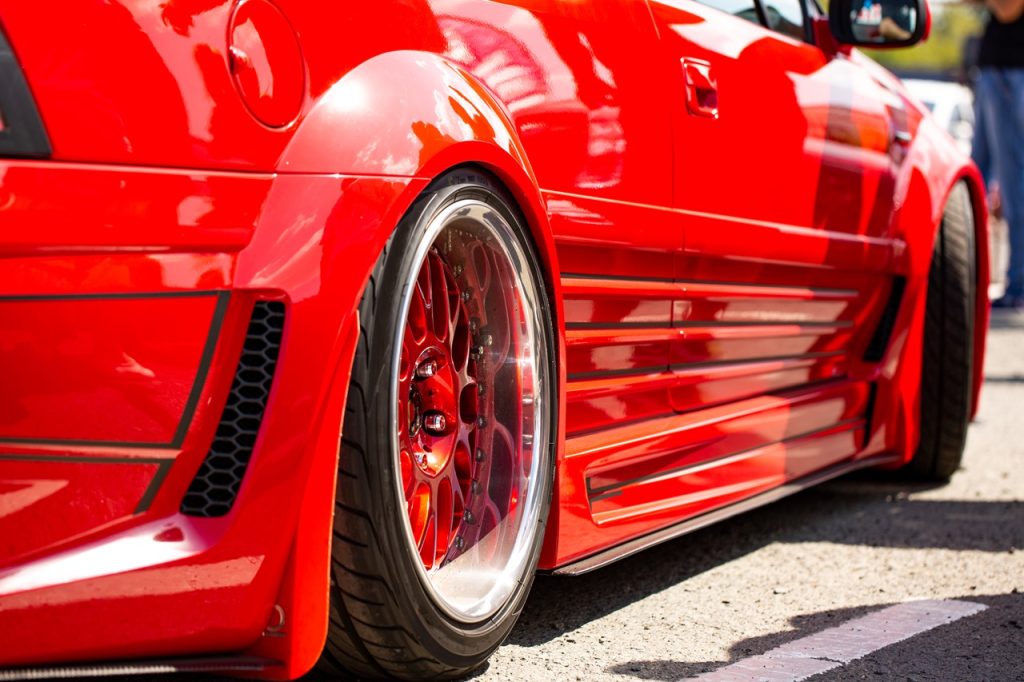
Your modified sports car or factory-low vehicle deserves protection during transport, especially when dealing with Tampa Bay’s challenging road conditions. Many low car owners avoid calling for help when breakdowns occur because they fear expensive damage from improper towing methods. The good news is that modern wheel lift towing provides safe transport for even the lowest vehicles without the scraping and undercarriage damage associated with traditional methods.
This article explains how wheel lift towing protects low-clearance vehicles and why Tampa drivers choose this method over alternatives. We’ll cover specific challenges local drivers face and what to expect when professional services handle your modified or low-profile vehicle. When you need expert wheel lift towing for low cars in Tampa Bay, Big League Towing Company provides safe transport at (813) 384-8840.
Table of Contents
ToggleLow-clearance vehicles face specific risks during transport that standard-height cars don’t encounter. Factory vehicles like sports cars typically maintain 4 to 6 inches of ground clearance, while aftermarket modifications can reduce this to 3 inches or less. This reduced clearance creates multiple complications during traditional towing operations.
Speed bumps present the most common obstacle for low cars in Tampa neighborhoods. Areas like Westshore and Hyde Park feature aggressive speed bump designs that can damage undercarriages during loading. Parking garage entrances downtown create similar problems with steep approach angles that cause front spoilers and air dams to contact the ground.
Additional hazards include:
• Construction zones throughout the metro area that leave debris and uneven surfaces
• Beach areas with sand accumulation hiding obstacles beneath smooth surfaces
• Tourist zones with rushed towing conditions and limited positioning space
Traditional hook and chain towing methods compound these problems by creating additional contact points between metal equipment and vulnerable undercarriage components. Dragging vehicles onto truck beds scrapes exhaust systems, oil pans, and custom bodywork against loading surfaces.
Wheel lift towing eliminates most contact-related damage by lifting vehicles from their wheels rather than their bodies or frames. The hydraulic system uses adjustable cradles that contact only the tire and wheel assembly, keeping all towing equipment away from vulnerable undercarriage areas.
The lifting process begins with precise positioning of padded cradles beneath the front or rear wheels. Hydraulic arms lift the vehicle at a gentle angle that prevents scraping of low-mounted components.
• No undercarriage contact since equipment only touches wheels and tires
• Gentle lifting angles that prevent ground contact during loading
• Better weight distribution that spreads force across suspension rather than single points
• Adjustable cradles that accommodate different wheel sizes and low-profile tires
• Reduced stress on modifications that maintains proper vehicle geometry during transport
This method works especially well for cars with front spoilers, side skirts, or lowered exhaust systems that would contact the ground during traditional loading.
Coastal areas present additional challenges with sand accumulation and salt air exposure. Sand-covered parking areas near beaches can hide obstacles that damage low-hanging components. Salt air accelerates corrosion on exposed metal parts, making gentle handling during transport even more important for long-term vehicle preservation.
Beach access roads often feature loose sand that can trap low vehicles or create unstable surfaces for towing equipment. The combination of sand and salt creates abrasive conditions that can damage painted surfaces during improper transport methods.
Tampa’s climate creates specific risks for low car transport:
• Summer heat affects tire pressure and can reduce effective ground clearance
• Hurricane season brings debris that creates unexpected obstacles
• Frequent afternoon thunderstorms make road surfaces slippery
• High humidity accelerates corrosion on exposed undercarriage components
Professional operators understand these seasonal factors and adjust their techniques accordingly.
Downtown Tampa’s tight parking spaces and heavy traffic limit the time available for careful vehicle positioning. Tourist areas add pressure for quick service that can lead to rushed jobs and increased damage risk.
Parking structures with low clearance ceilings create additional complications for standard towing equipment. Wheel lift systems often provide the only viable option for extracting low cars from underground garages or covered parking areas.
Professional wheel lift towing begins with a thorough assessment of your vehicle’s ground clearance and vulnerable components. Operators examine front spoilers, side skirts, exhaust systems, and any custom modifications that might affect the towing process.
During the assessment, operators:
• Measure ground clearance at the lowest points
• Identify vulnerable modifications and custom work
• Evaluate available space for equipment positioning
• Plan routes that avoid problematic road conditions
The loading process involves careful positioning of wheel cradles to avoid contact with custom wheels or low-profile tires. Operators adjust hydraulic pressure gradually to lift vehicles without sudden movements that could stress suspension components.
Transportation considerations include route planning to avoid particularly rough roads or construction zones. Professional services monitor vehicle position during transport and use padded contact points that protect painted surfaces and custom bodywork.
Vehicles with less than 3 inches of ground clearance may need additional preparation before wheel lift towing. Cars equipped with air ride suspension should be inflated to maximum height before loading when possible.
Special preparation may involve:
• Air suspension inflation to maximum ride height settings
• Removable component assessment for parts that can be temporarily removed
• Alternative route planning to find paths with better clearance conditions
• Additional protective equipment using extra padding for ultra-low components
Custom bodywork that extends below the vehicle’s frame rails requires special attention. Operators may need to remove ultra-low splitters or temporarily adjust suspension settings to achieve safe transport clearance. Professional services discuss these requirements during the initial assessment and provide guidance on necessary preparations.
Selecting the right towing service for your low car requires asking specific questions about equipment and experience. Professional companies use modern wheel lift trucks with adjustable cradle systems designed for various vehicle types. Operator training should include specific instruction on handling modified and low-clearance vehicles.
Important questions include:
• What type of wheel lift equipment do you use?
• Do your operators have specific low car experience?
• What insurance coverage do you provide for modified vehicles?
• Can you inspect my vehicle before providing an estimate?
Professional services welcome these questions and provide detailed answers.
Insurance coverage becomes particularly important when transporting modified vehicles. Professional services carry comprehensive coverage that includes protection for aftermarket modifications and custom work. This coverage protects your investment if unexpected damage occurs during transport.
Red flags include services that only offer hook and chain methods or operators who seem unfamiliar with low car challenges. Companies that refuse to inspect your vehicle before providing estimates may not understand the special requirements for safe low car transport.
Professional wheel lift towing for low cars costs more than basic hook and chain service, but significantly less than repairing damage from improper transport methods. Understanding the value proposition helps justify the investment in proper service.
Typical damage repair costs include:
• Undercarriage repairs: $500 to $2,000 depending on affected components
• Custom bodywork repairs: Often exceed $3,000 for specialized materials
• Exhaust system replacement: $800 to $1,500 for performance modifications
• Paint and trim damage: Varies widely based on vehicle value and finish quality
The value protection from proper towing extends beyond immediate damage prevention. Maintaining your vehicle’s condition preserves resale value and prevents insurance claims that can affect future coverage rates. Professional documentation of the towing process also provides important records for warranty claims on aftermarket modifications.
Wheel lift towing for low cars provides essential protection for Tampa Bay drivers who’ve invested in modified or naturally low-profile vehicles. The method eliminates contact-related damage while accommodating the unique challenges of Florida’s urban environment and coastal conditions.
Understanding proper towing methods helps you make informed decisions when breakdowns occur. Professional wheel lift towing protects both your vehicle and your investment while ensuring safe transport to repair facilities or desired destinations.
When your low car needs professional transport in Tampa Bay, trust the experienced team at Big League Towing Company. Our wheel lift equipment and trained operators specialize in protecting modified and low-clearance vehicles. Contact us at (813) 384-8840 for safe, professional towing services that preserve your vehicle’s condition and your peace of mind.