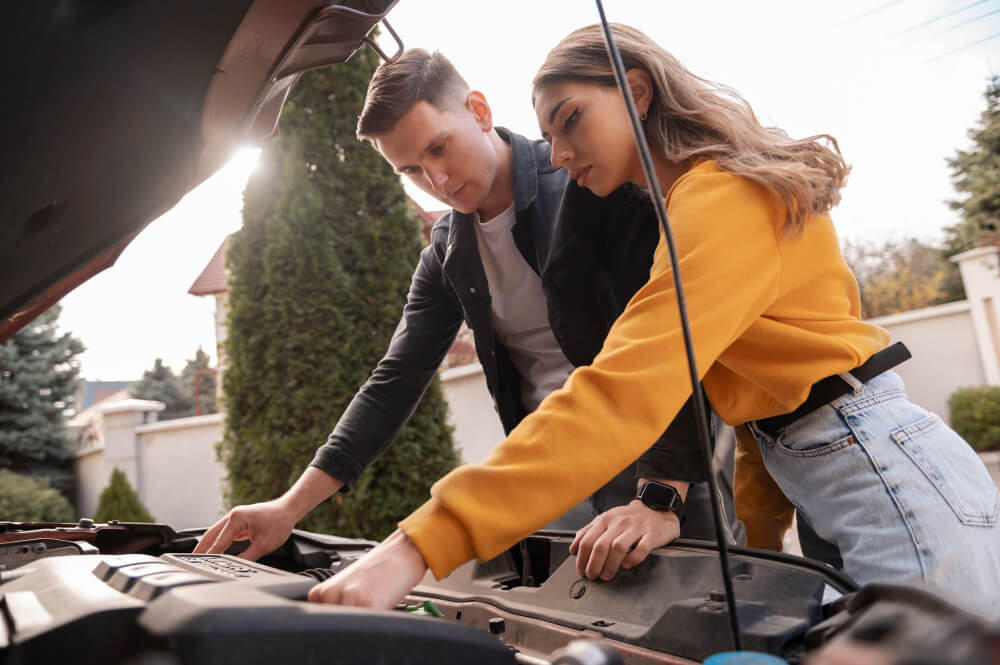
Your car survived the crash with only a dented bumper, but now it won’t start. You turn the key and nothing happens, or maybe you hear clicking sounds but the engine won’t turn over. This frustrating situation happens more often than most drivers realize.
Electrical systems in modern vehicles are surprisingly vulnerable to accident damage. Even minor collisions can disrupt delicate wiring, damage battery connections, or trigger safety systems that prevent your car from starting. At Big League Towing Company (813) 384-8840, we regularly help Tampa Bay drivers who discover their vehicles won’t start after what seemed like minor accidents.
This guide explains hidden electrical damage that can occur after accidents, why they happen, what warning signs to watch for, and when professional diagnosis becomes necessary to get you back on the road safely.
Table of Contents
ToggleVehicle electrical systems contain thousands of delicate connections that accident forces can easily disrupt. When your car suddenly stops during a collision, internal components continue moving forward due to inertia. This motion stretches wiring harnesses, loosens connections, and can even crack circuit boards inside control modules.
Battery cables and terminals are particularly vulnerable during accidents. The heavy battery can shift position, pulling cables loose or breaking terminal connections. Even a slight movement can create enough resistance to prevent proper electrical flow, leaving you stranded with a car that won’t start after accident impact.
Today’s vehicles include multiple safety systems designed to shut down fuel pumps or disable ignition systems during accidents. These inertial fuel shutoff switches protect against fires by stopping fuel flow when sensors detect sudden deceleration. Sometimes these systems activate during minor accidents and require manual reset procedures that vary by manufacturer.
Anti-theft systems can also malfunction after accidents, preventing normal starting procedures. Impact forces may disrupt communication between your key fob, transponder, and the vehicle’s security computer, triggering anti-theft protocols that disable the starter system completely.
• Loose battery terminals: Impact can loosen clamp connections, creating poor electrical contact
• Internal battery damage: Jarring forces can damage internal battery plates or crack the case
• Damaged alternator mounting: A shifted alternator may not charge properly or maintain electrical connections
• Corroded cables: Accident damage can expose wiring to moisture, accelerating corrosion
The starter motor and its associated wiring often sustain damage during frontal or rear-end collisions. Heavy impact forces can shift the starter’s position, damage electrical connections, or crack the starter housing. Ignition switch wiring may also stretch or break, preventing electrical signals from reaching the starter solenoid.
Starter relay and fuse damage commonly occurs when electrical surges happen during accidents. These protective components may blow to prevent damage to more expensive parts, but they’ll need replacement before your car will start again.
Modern fuel injection systems rely heavily on electrical components that accident damage can compromise. The fuel pump receives power through dedicated circuits that impact forces can disrupt. Even if the pump isn’t physically damaged, broken wiring prevents it from pressurizing the fuel system.
Fuel system sensors throughout your vehicle monitor everything from tank levels to injection timing. When accidents damage these sensors or their wiring, your car’s computer may refuse to start the engine as a safety precaution.
Multiple warning lights appearing simultaneously after an accident often indicate widespread electrical problems. Battery or charging system warning lights specifically suggest power supply issues that commonly prevent starting. Engine management lights may also illuminate when accident damage affects sensors or wiring that the engine computer monitors.
Pay attention to any warning lights that flicker or behave erratically. These intermittent problems often indicate loose connections or damaged wiring that accident impact created.
Notice how your radio, air conditioning, and other electrical accessories behave after an accident. Dimming lights, flickering displays, or accessories that work intermittently all suggest electrical system damage that might also prevent starting.
Strange noises when attempting to start often indicate specific problems. Rapid clicking usually means insufficient battery power reaching the starter, while a single click suggests starter solenoid problems. Complete silence when turning the key typically indicates more serious electrical system damage.
Start by examining your battery terminals for obvious damage or looseness. Look for cracked battery cases, corroded terminals, or cables that appear stretched or damaged. If you see white or green corrosion around terminals, this indicates poor connections that may prevent starting.
Check that battery cables are firmly attached and haven’t pulled loose during the accident. However, avoid touching exposed wiring or attempting repairs yourself, especially if you drive a hybrid or electric vehicle.
Locate your vehicle’s main fuse box, usually found under the hood or dashboard. Look for obviously blown fuses, which appear burned or have broken metal strips visible through clear plastic cases. Your owner’s manual identifies which fuses control starting systems.
Replace any blown fuses with identical amperage ratings, but understand that fuses blow for reasons. If replacement fuses blow immediately, stop attempting repairs and seek professional diagnosis.
Modern vehicles require sophisticated diagnostic equipment to properly assess electrical system damage. Professional technicians use computer scanners that communicate with your car’s various control modules to identify specific problems. These tools can detect issues that visual inspection cannot reveal, such as damaged sensors or communication problems between systems.
Attempting electrical repairs without proper knowledge risks creating additional damage or safety hazards. Professional diagnosis ensures accurate problem identification and prevents costly mistakes that could make repairs more expensive.
Insurance companies typically require professional assessment documentation for electrical damage claims. Proper diagnosis from qualified technicians provides the detailed reports needed for claim approval and ensures repairs meet safety standards.
Stop attempting to start your car once you realize it won’t respond normally. Repeated starting attempts can damage electrical components or drain whatever battery power remains. If you can safely access the battery, disconnecting the negative terminal prevents power drain and protects against electrical shorts.
Avoid jump-starting attempts until professional diagnosis confirms the problem. Jump-starting a vehicle with internal electrical damage can cause expensive computer module failures or even fires.
Document exactly what happened during the accident and what symptoms you’ve noticed since. Note any warning lights, unusual sounds, or changes in electrical accessory behavior. This information helps technicians diagnose problems more efficiently and accurately.
Take photos of any visible damage, including battery area and wiring. These images provide valuable context for repair estimates and insurance documentation.
Electrical problems after accidents require experienced technicians who understand modern automotive systems. Professional assessment identifies all damage accurately and ensures repairs restore your vehicle’s safety and reliability.
When your car won’t start after an accident, don’t let electrical problems strand you longer than necessary. Contact us at Big League Towing Company (813) 384-8840 for professional towing and guidance toward qualified diagnostic services. We understand how frustrating these situations become and we’re here to help Tampa Bay drivers get back on the road safely and quickly.