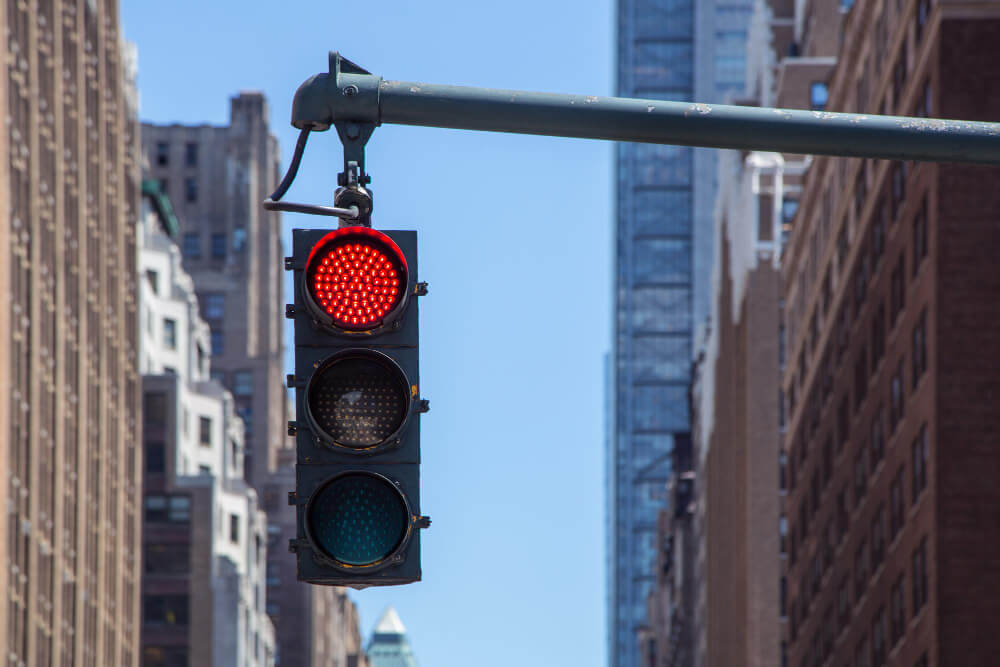
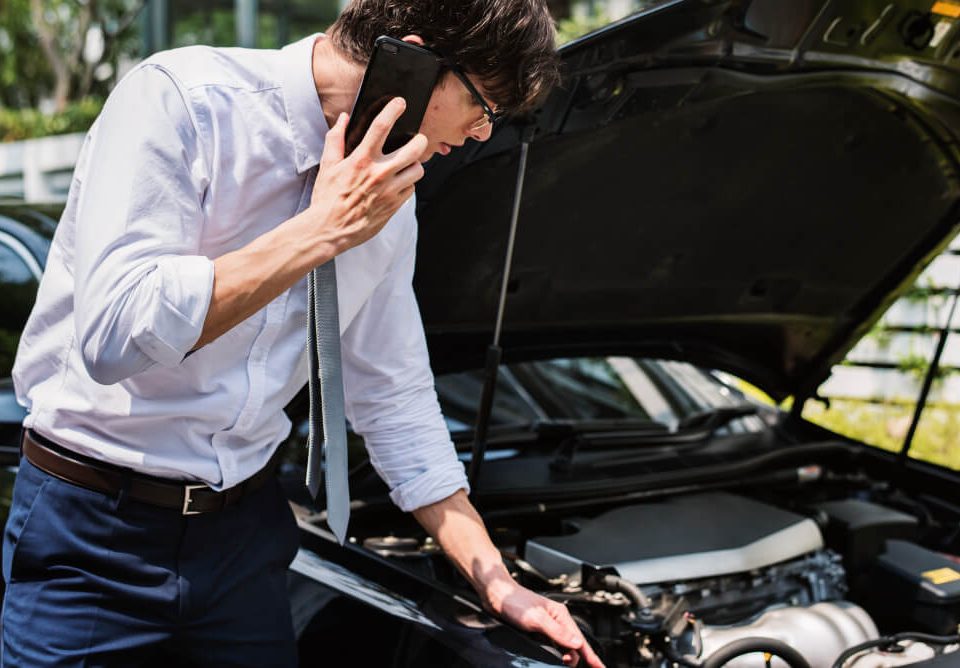
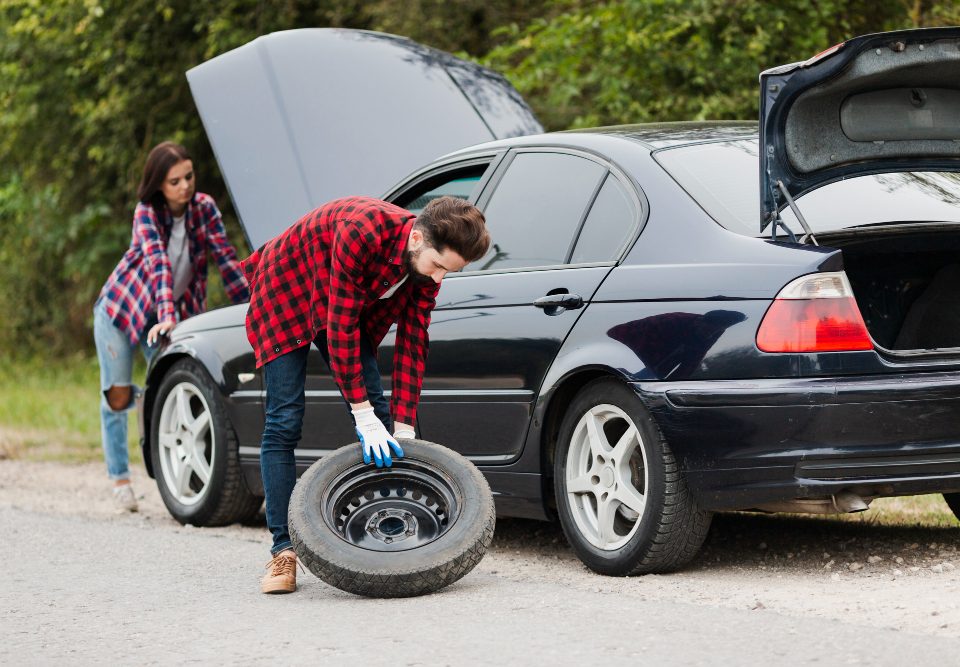
If your car died at a red light, the most urgent goal is safety: avoid getting rear-ended, get yourself out of the flow of traffic if you can, and then figure out whether the car can be restarted or needs help. This guide walks you through what to do in the first minute, what quick checks are worth trying, and when it’s smarter to call for assistance. If you’re stuck and need someone to come out, Big League Towing Company is a practical contact option for 24-hour roadside assistance in the Tampa Bay area at (813) 384-8840.
Start with visibility and control. Turn on your hazard lights right away. Keep your foot on the brake so the car doesn’t roll if you’re on a slight incline. Take a breath and look in your mirrors so you know what traffic is doing behind you.
Next, try to get the vehicle out of the travel lane if it’s possible to do so safely. If the engine stalled but the car still rolls, shift to neutral and coast. Many modern cars will still have power steering assist for a moment after a stall, but it can fade quickly. Steering and braking may feel heavier than normal, so use both hands and plan gentle movements.
If the car won’t roll or you can’t steer normally, do not fight it in a way that puts you or others at risk. Stay predictable: hazards on, brake engaged, wheels straight if you can manage it.
If you are stuck in the lane, your best protection is visibility and making the situation obvious. If it’s daylight and you have time, popping the hood can signal to other drivers that you’re disabled. At night, keep interior lights low enough that you can still see traffic, but bright enough that you can find controls and your phone.
In a busy intersection, it can also be reasonable to call non-emergency police or roadway assistance for traffic control. The right choice depends on conditions. If cars are swerving around you at speed, your priority is getting help quickly.
Once you’ve stabilized the situation and you’re not in immediate danger, a few quick restart attempts are worth trying.
Restart the car the normal way first. Put the transmission fully in park for an automatic, or neutral for a manual, then press the brake and start it. If you have a push-button start, press it as you normally would. Avoid repeated rapid cranking. Give the starter a short break between attempts.
If your car has an auto start-stop system, remember that a stall can feel similar to a normal stop. Look at the dash. If warning lights are flashing or you see a “battery” or “charging system” message, treat it as a true problem and keep restart attempts limited.
Check the obvious items that sometimes cause a no-start right after a stall:
If the shifter won’t move out of drive or won’t go into neutral, do not force it. Many vehicles have a shift lock that requires the brake pedal to be pressed, and some require electrical power. If your battery is weak or the car shut down electrically, the shifter may be stuck until power is restored.
A stall at a stop is often related to idle control, power delivery, or electrical charging. You may not be able to diagnose it fully at the intersection, but it helps to understand what might be happening so you can decide whether to drive away or call for help.
Battery or charging system problems are high on the list. A weak battery can still start the car, but if the alternator is failing, the car can run briefly and then die as voltage drops. Signs include dimming lights, flickering dashboard displays, power windows slowing down, or a battery warning light that came on before the stall. Sometimes the first symptom is simply that the car quits when you come to a stop.
Fuel delivery issues can also show up at idle. If you are very low on fuel, the pump can draw air or sediment, especially on slopes. Contaminated fuel or a weakening fuel pump can cause stumbling and stalling. If the car restarts and then dies again when you let it idle, fuel delivery is one possibility.
Overheating can lead to shutdowns or severe running problems. If your temperature gauge is high, you see a warning message, or you notice steam or a sweet smell, treat it seriously. Do not keep trying to limp the car through traffic. Overheating can damage an engine quickly, and the safest move may be to shut it down and call for assistance.
Idle control and air issues are another common cause. Older vehicles used an idle air control valve, and many modern vehicles rely on electronic throttle control. Carbon buildup, vacuum leaks, or sensor faults can make the engine unable to maintain a steady idle when you stop. The car might run fine at speed and then stall when the RPM drops.
Electrical and sensor faults can be intermittent. A failing crankshaft position sensor, for example, can cut off the signal the engine computer needs to keep the engine running. You might get a check engine light, but not always. That’s why a scan for trouble codes after the incident is often worthwhile, even if the car eventually restarts.
If the car won’t restart quickly or you don’t feel safe trying, focus on protecting yourself.
In many situations, staying buckled in with hazards on is safer than standing next to traffic. On the other hand, if you’re stopped in an active lane and vehicles are approaching too fast, you may need to exit and move to a safer area away from traffic. There is no single rule that fits every intersection. Use your judgment based on speed, visibility, and whether cars are able to slow down.
Call for help and be specific. Tell the dispatcher you’re in an intersection and whether you’re blocking a lane. If you can, share cross streets, a landmark, or the direction of travel. If you have a smartphone map open, you can often read the exact address or nearby business name.
While waiting, keep your wheels as straight as possible. If a vehicle hits you from behind, straight wheels reduce the chance you’ll be pushed sideways into another lane.
If the car restarts and seems stable, you still have to decide whether to proceed. If you’re able to move, the safest next step is usually to get out of the intersection and into a parking lot or shoulder where you can reassess.
There are also situations where you should not continue driving even if it restarts. Here are warning signs where stopping and calling for help is the smarter choice:
If it restarts but stalls again as soon as you come to a stop, that often points to an idle control or fuel/air issue that will keep repeating. In that case, trying to “nurse it home” through stop-and-go traffic can put you back in the same dangerous position at the next light.
When you call, clarity helps. Share your exact location, the direction you’re facing, and whether you’re blocking a lane. Mention any safety issues like low visibility, fast traffic, or if the car is in the left-turn lane.
Then describe the symptoms in plain terms: “The engine stalled and won’t restart,” “The dash lights come on but it won’t crank,” or “It starts but dies when I take my foot off the gas.” If you noticed overheating, smoke, or a burning smell, say that too. Also mention if the steering feels locked, if the shifter is stuck, or if you have a dead battery, because those details can change what kind of help is needed.
When your car dies at a red light, your first job is to be visible and safe. Hazards on, try to coast to a safer spot if you can, and keep restart attempts brief and reasonable. If there are warning signs like overheating, electrical failures, smoke, or repeated stalling, it’s usually better to stop trying to drive it and get help.
If you’re stuck in the Tampa Bay area and need roadside support or a tow, you can call Big League Towing Company at (813) 384-8840. We can help you get out of the intersection safely and figure out the next step based on what your vehicle is doing.