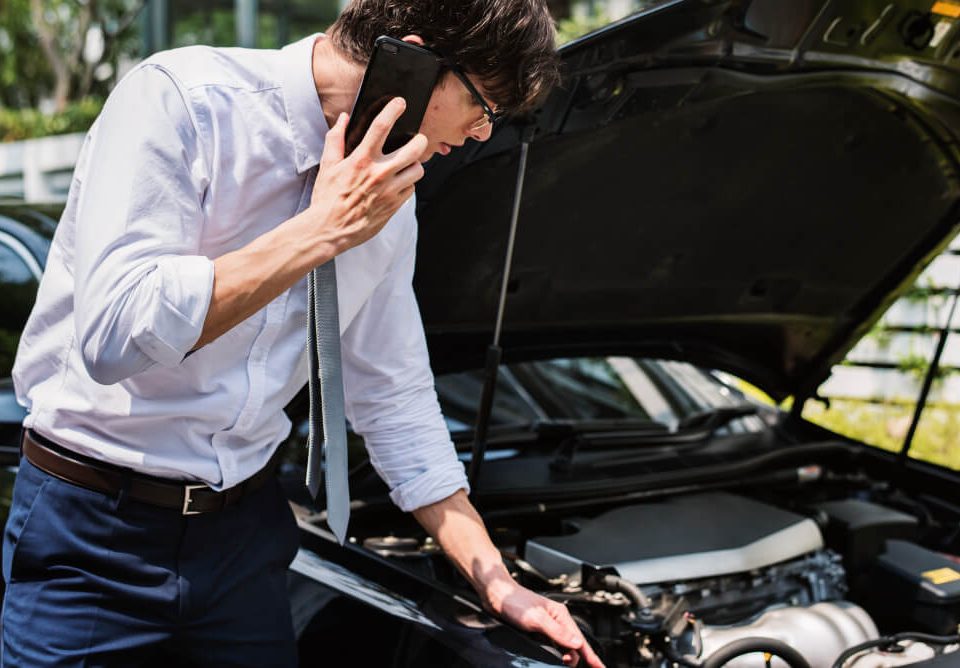
Do you find yourself staring at a mysterious light on your dashboard, wondering if it’s safe to continue driving? You’re not alone. Every day, Tampa drivers face this exact situation, often unsure whether to worry or keep going. At Big League Towing Company, we’ve assisted countless drivers who waited too long to address these warning signals. While we’re always here to help through our 24-hour roadside assistance service at (813) 384-8840, we believe that understanding these dashboard warnings can save you time, money, and potentially prevent dangerous situations on Tampa’s busy roads.
Let’s decode these mysterious symbols and learn exactly when you need immediate assistance and when you can safely schedule a maintenance check.
Think of your dashboard lights as your vehicle’s vital signs monitor. Each color sends a specific message about your car’s health, and knowing how to interpret these signals could save you from costly repairs or dangerous situations. Just as a doctor monitors vital signs to assess a patient’s health, your vehicle’s warning system uses different colors and symbols to communicate various levels of urgency.
Red warning lights demand immediate attention and should never be ignored. These urgent warnings indicate serious issues that could compromise your safety or lead to severe vehicle damage. When a red warning light appears, treat it with the same urgency as you would a medical emergency.
In most cases, continuing to drive could result in extensive damage to your vehicle or create dangerous driving conditions. The safest course of action is to pull over as soon as you can safely do so and assess the situation. If you’re unsure about the severity of the problem, it’s better to call for professional assistance than risk further damage.
Yellow or orange lights serve as your vehicle’s early warning system. While less urgent than red warnings, they indicate issues that require attention in the near future. Think of these as your car’s way of scheduling a preventive check-up. These warnings often relate to systems that aren’t functioning at optimal levels but haven’t yet reached a critical state.
Most yellow warnings allow you to continue driving safely, but you should schedule a maintenance check soon to prevent the issue from developing into a more serious problem. Ignoring these warnings for too long could lead to more expensive repairs or trigger red warning lights.
Green and blue lights serve an informational purpose rather than warning you about problems. These indicators help you monitor which vehicle systems are currently active and functioning as intended.
When you activate your high beam headlights, for instance, a blue light typically appears on your dashboard. Similarly, green lights often indicate active turn signals or cruise control operation. These lights help confirm that various vehicle features are working properly and remind you when certain systems are engaged.
Common features indicated by green or blue lights include:
The engine check light is one of the most frequently misunderstood warning signals in modern vehicles. While not always indicating an emergency, it should never be dismissed without proper diagnosis especially if you are already hearing weird engine noise.
Modern vehicles contain sophisticated computer systems that monitor numerous aspects of engine performance, emissions systems, and mechanical functions. When something falls outside normal parameters, this light alerts you to potential issues that could affect your vehicle’s performance, fuel efficiency, or emissions output.
A loose or damaged gas cap might seem trivial, but it can trigger your check engine light by compromising your vehicle’s fuel system pressure. This simple issue can affect your car’s performance and fuel efficiency.
Similarly, failing oxygen sensors can cause your engine to run inefficiently, potentially damaging other components if left unchecked. Catalytic converter issues and spark plug problems are also common triggers that require prompt attention to prevent more serious damage.
When your oil pressure warning light illuminates, you’re facing one of the most serious engine warnings possible. This isn’t just about low oil levels – it indicates that your engine isn’t receiving proper lubrication, which can lead to catastrophic failure within minutes. The consequences of ignoring this warning can be devastating, potentially resulting in complete engine destruction.
If this light appears while driving, immediately pull over to a safe location and shut off your engine. Don’t restart your vehicle until you’ve had the opportunity to check your oil level and consult with a professional. Continuing to drive with this warning light on could result in thousands of dollars in engine damage.
Florida’s intense heat makes temperature warnings particularly crucial for Tampa drivers. When your temperature warning illuminates, your engine is already operating beyond safe limits. This situation requires immediate attention as excessive heat can warp cylinder heads, blow head gaskets, and cause other expensive damage.
If you see this warning, immediately turn off your air conditioning to reduce engine load and turn on your heater at full blast – while uncomfortable, this helps draw heat away from the engine.
Find a safe place to pull over and shut off the engine. Allow at least 30 minutes for cooling before checking coolant levels, and never remove a hot radiator cap as the pressurized coolant can cause severe burns.
Tampa’s extreme heat is particularly harsh on vehicle batteries, often reducing their typical lifespan. When your battery warning light illuminates, it indicates problems with your vehicle’s charging system – either the battery itself, the alternator, or related components. Common signs of battery issues include slow engine cranking, dimming headlights, and electrical system fluctuations.
In our climate, batteries typically last only 2-3 years, significantly less than in cooler regions. Regular battery testing and maintenance become crucial, especially during the hot summer months when battery failure rates increase dramatically.
Today’s vehicles feature advanced warning systems that go beyond basic mechanical alerts. These systems monitor everything from tire pressure to driver alertness, creating a comprehensive safety network. They can detect lane departures, monitor blind spots, and even predict potential collisions, giving drivers crucial extra seconds to react.
Many modern vehicles also include adaptive cruise control and emergency braking systems that work together to maintain safe following distances and prevent accidents. These features are particularly valuable on Tampa’s busy highways and during our frequent afternoon thunderstorms.
Regular maintenance remains your best defense against dashboard warnings. Following your vehicle’s recommended maintenance schedule helps prevent many common issues before they trigger warning lights. In Tampa’s climate, particular attention should be paid to:
While understanding warning lights is important, certain situations require immediate professional assistance. Contact roadside assistance if you experience:
In Tampa’s climate and traffic conditions, it’s always better to err on the side of caution. Professional diagnosis can prevent minor issues from becoming major repairs and help ensure your safety on the road.
Dashboard warning lights are your vehicle’s way of communicating potential issues before they become serious problems. While some warnings require immediate attention, others indicate the need for routine maintenance. Understanding these signals is crucial for every Tampa driver, especially given our challenging climate and busy roads.
Don’t let warning lights leave you guessing. If you’re uncertain about any dashboard warnings or need professional diagnostic services, Tampa Auto Care Services is here to help. We are just a call away at (813) 384-8840